Noise, Signal, and Focus
I was reading a manual when a single line stopped me.
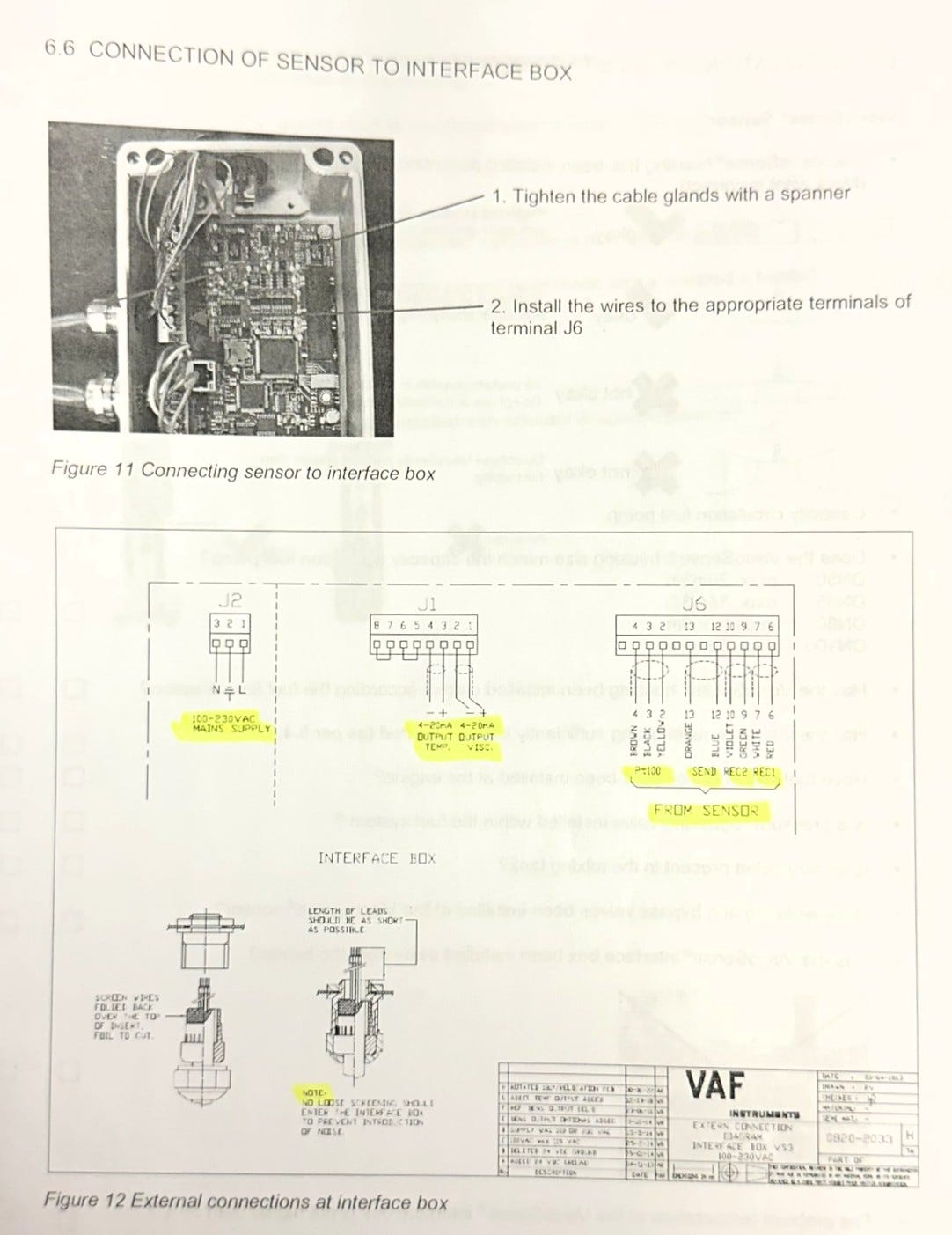
“No loose screening should enter the interface box to prevent introduction of noise.”
Simple line. Easy to miss if you’re moving fast.
But onboard... I’ve learned that the smallest lines in a manual are often written in hours of troubleshooting.
So I read it again.
Noise is not the absence of signal. It is a false signal. It looks real. It travels on the same wire. The system cannot always tell the difference.
In a 4-20mA instrumentation loop, noise doesn’t announce itself. It just... distorts. Your reading drifts slightly. The PID starts hunting. An alarm fires for no clear reason. You spend hours chasing a fault that isn’t where you think it is.
Because the dangerous part about noise is this:
It looks like signal.
Then I found a second line.
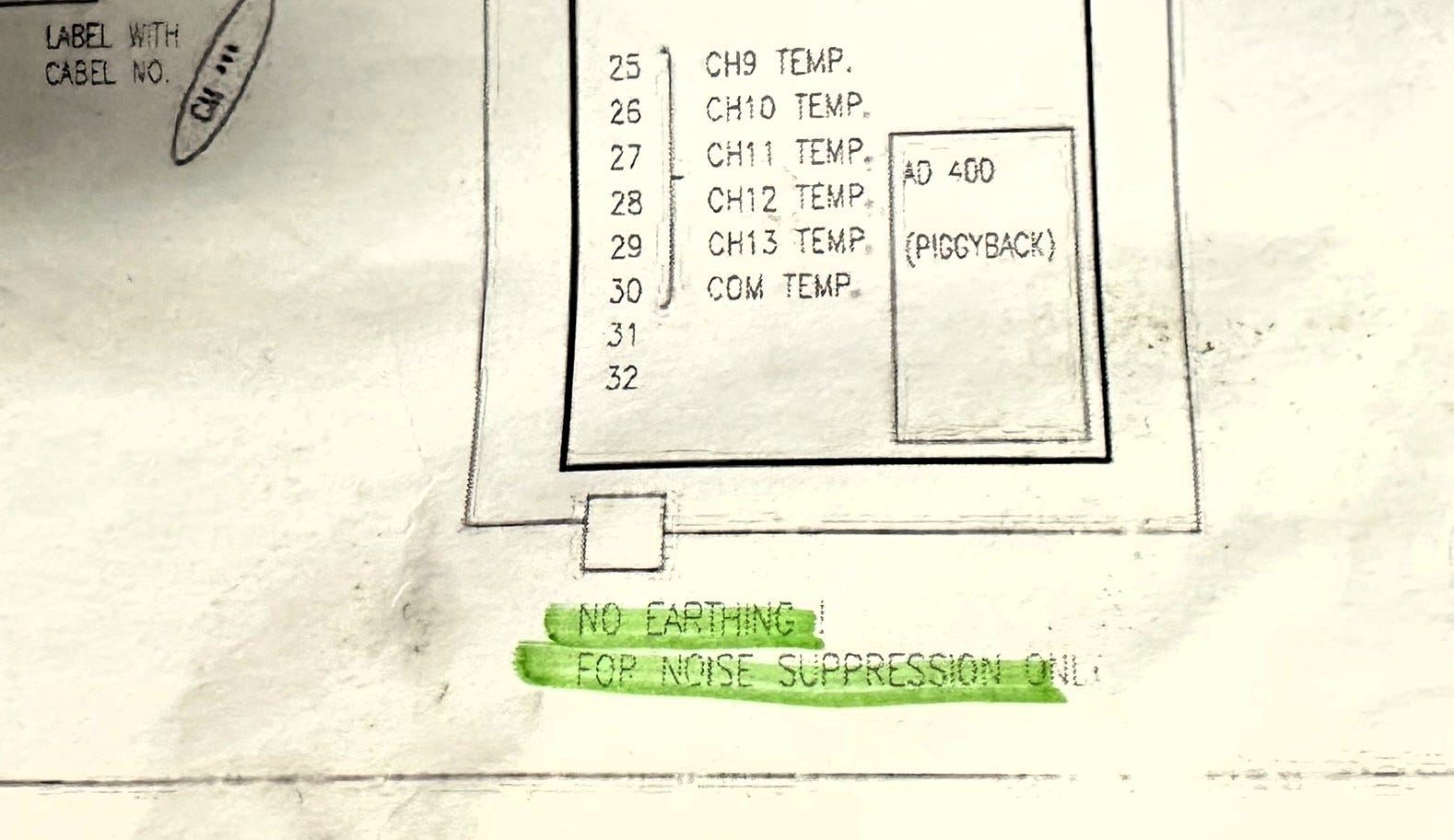
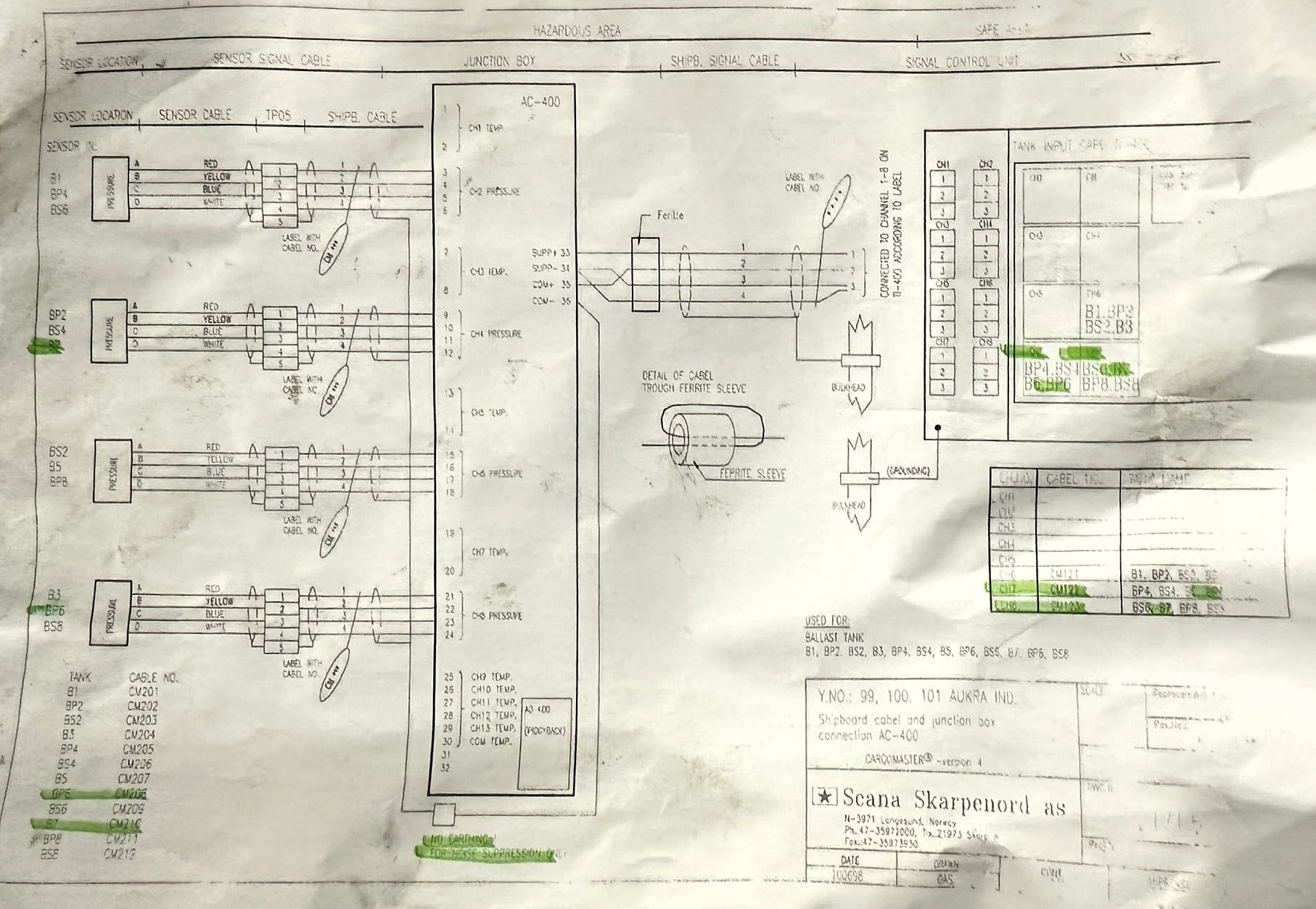
“No earthing. For noise suppression only.”
This one stopped me longer.
Every electrician is trained to earth. Grounding is safety. It’s the first instinct. But in sensitive instrumentation, earthing a cable screen at both ends creates a ground loop. The potential difference between those two earth points turns your protective shield into an antenna... pulling in every stray magnetic field from nearby VFDs and motors, injecting it straight into your interface box.
The screen meant to protect the signal becomes the source of the noise.
To protect the signal, you have to cut the connection. The screen must be earthed at one end only... or not at all. Isolation is the protection.
I put the manual down and sat with that for a while.
We think we need to be connected to everything.
Every piece of news. Every opinion. Every conversation that drains without returning. We let all this loose screening into the box, thinking we’re staying informed. Staying grounded.
But we’re just creating a ground loop.
The most important signals in your life are like that 4-20mA current.
Quiet. Precise. Easily contaminated.
Your direction. Your family. Your actual purpose. These don’t shout over the noise. They’re always there... but when the loop fills with interference, the reading drifts. You start chasing the wrong fault. You fix things that weren’t broken. And the real signal keeps sitting there, slightly off, waiting for a clean path.
The system isn’t broken.
It’s contaminated.
And the fix isn’t to process the noise better.
The fix is to stop it at the entry point.
Two lines in a manual. Same principle.
What belongs inside your interface box.
And what each connection is actually for.
Not everything deserves a terminal. Not everything deserves your attention. Some connections exist for one narrow purpose. They are not load-bearing. Ask them to carry something they weren’t rated for... and you’ve just introduced a fault.
In electrical discipline, it’s important what to touch and what not to touch.
The same goes for where you put your attention.
Guard the cable gland.
Fold the screening back before it enters.
Know what each connection is for.
The signal you’re trying to protect is already there.
It just needs a clean path.
Keep on Probing.
— Lem | Fleet ETO |
ProbeLem is a troubleshooting library built from real shipboard electrical work, diagnostics, and field reflection.
If this post helped, follow the blog for future case studies and leave a comment with the fault, system, or lesson you want explored next.
Comments
Post a Comment